What Is Pedal Kickback?
In the world of mountain biking, pedal kickback is the sudden, jarring sensation of your cranks "kicking back" against your feet while you ride through rough, bumpy terrain. It is essentially a tug-of war between your bike's suspension and its drivetrain.
This happens because most suspension designs do not move in a perfectly vertical line; instead, the rear axle moves in an arc. As the suspension compresses, the distance between your rear axle and your chainring actually increases—a phenomenon known as chain growth. Since your chain is a fixed length and cannot stretch, it pulls tight, forcing the chainring and cranks to rotate backward.
Depending on your bike’s kinematics, pedal kickback can range from a subtle quirk to a harsh distraction. Fortunately, over the last few years, several component brands have developed innovative solutions to neutralize this effect and provide a smoother ride.
At Fanatik, we are lucky enough to have firsthand experience with many of these systems. We recently had the chance to trail-test two of the most talked-about components on the market: the Ochain-R and the new DT Swiss Degrees of Freedom upgrade kits. These two products attack the same problem from opposite ends: Ochain fights the tug-of-war at the chainring, while DT Swiss has chosen to take the fight to the hub.
How Does Ochain-R Work?
Ochain was one of the first devices we saw fighting pedal kickback. It has been described as "suspension for your drivetrain"
On your standard bike your chainring is bolted directly to your cranks. When the chain gets pulled tight by your suspension, it immediately yanks your cranks backwards (pedal kickback!)
The Ochain spider mounts directly to your cranks, and your chainring then mounts to the Ochain. Unlike a solid setup, the Ochain contains internal springs and elastomers that allow the chainring to "float" independently of the crank arms.
The Ochain spider features five distinct settings: 0° (acting like a standard fixed chainring), 4°, 6°, 9°, and 12° of float. These settings are easily adjustable via a dial on the spider, allowing riders to customize exactly how much movement they want in the system.
This floating mechanism absorbs the "tug" of your chain. When the suspension compresses and the chain pulls on the ring, the Ochain rotates backward slightly without moving your pedals at all. It essentially "eats" that extra chain growth. Once the suspension extends again, internal springs reset the chainring to its original position so you can put the power down normally.
How Does DT Swiss DEG DF System Work?
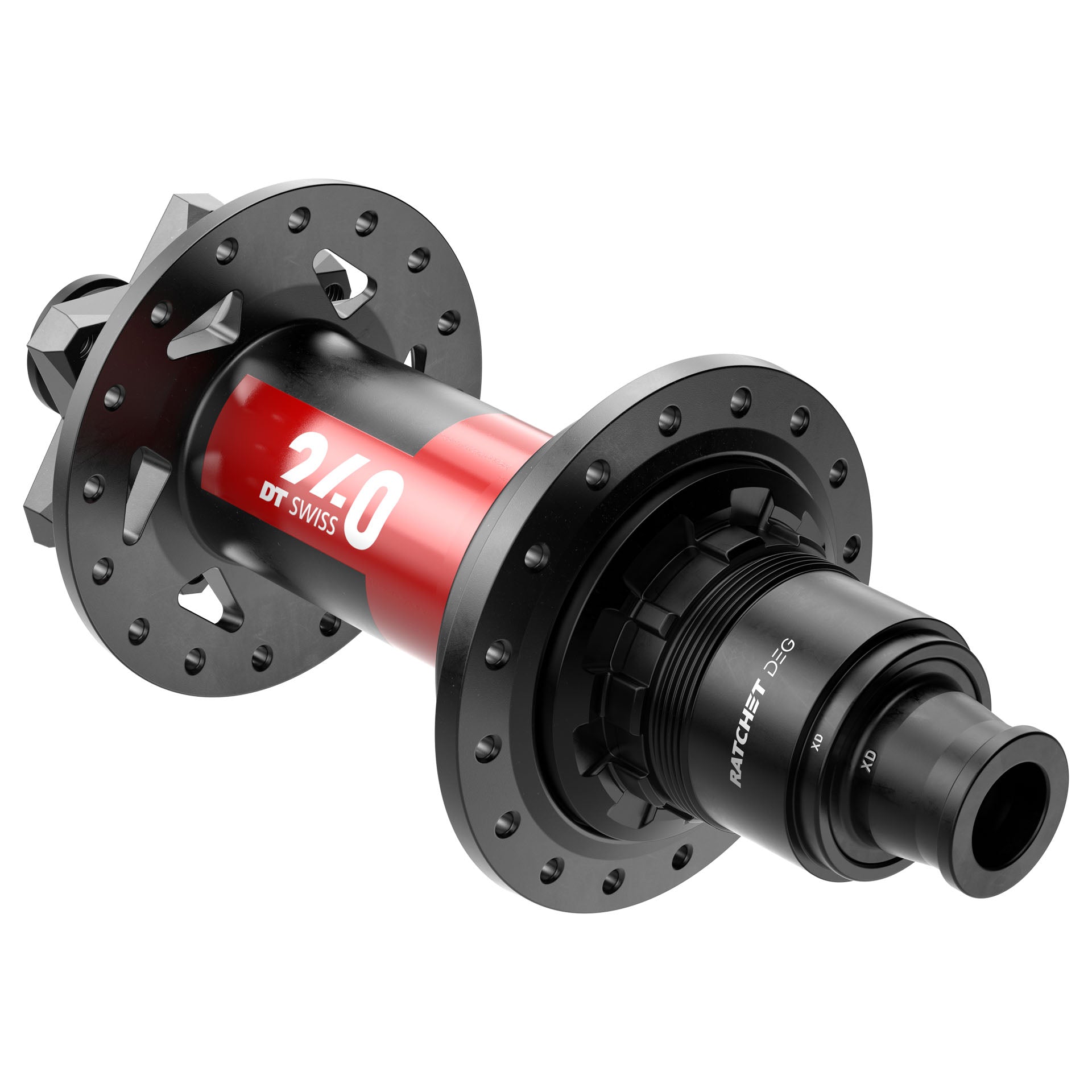
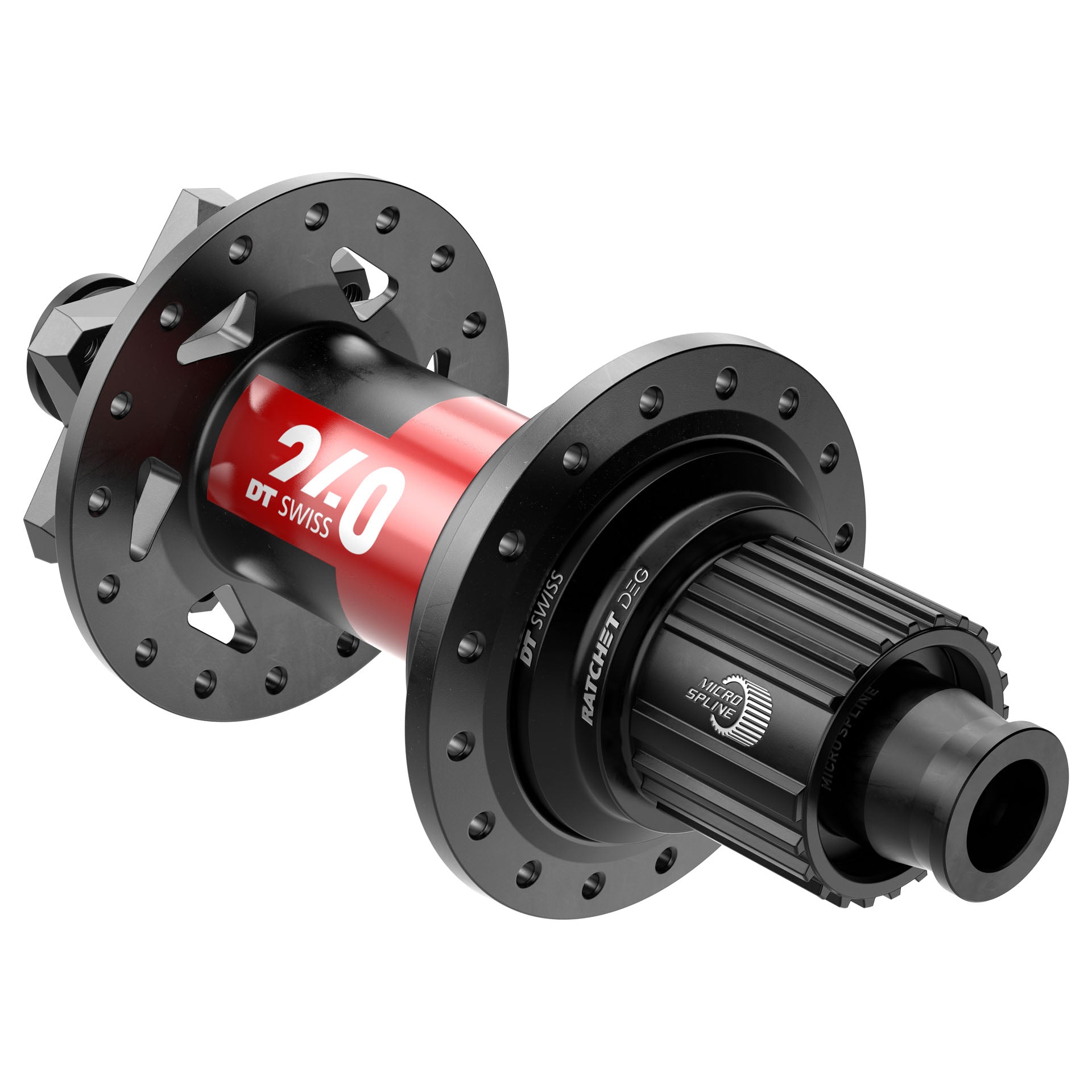
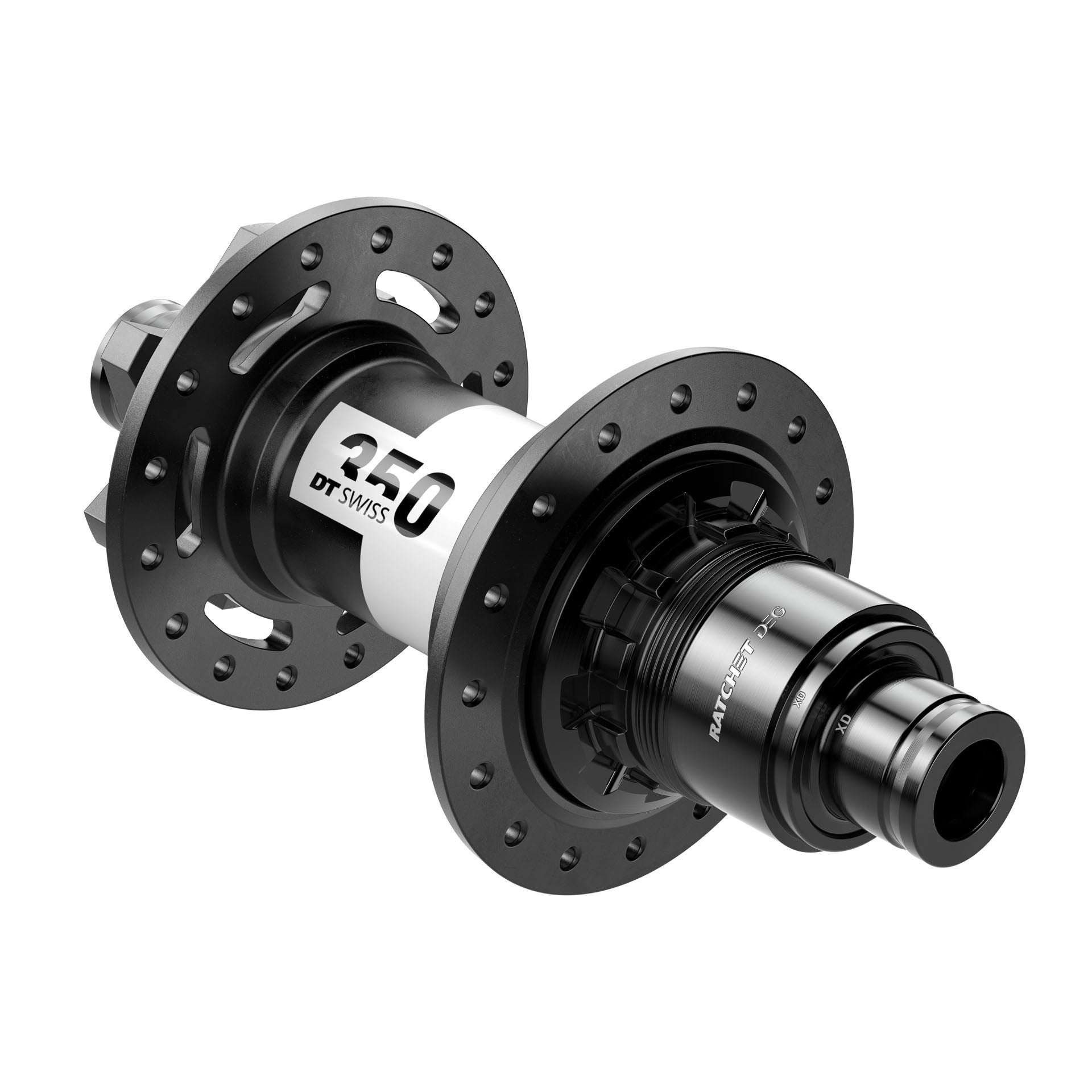
While the Ochain fights pedal kickback at the chainring, the DT Swiss Degrees of Freedom (DF) system addresses the issue at the hub.
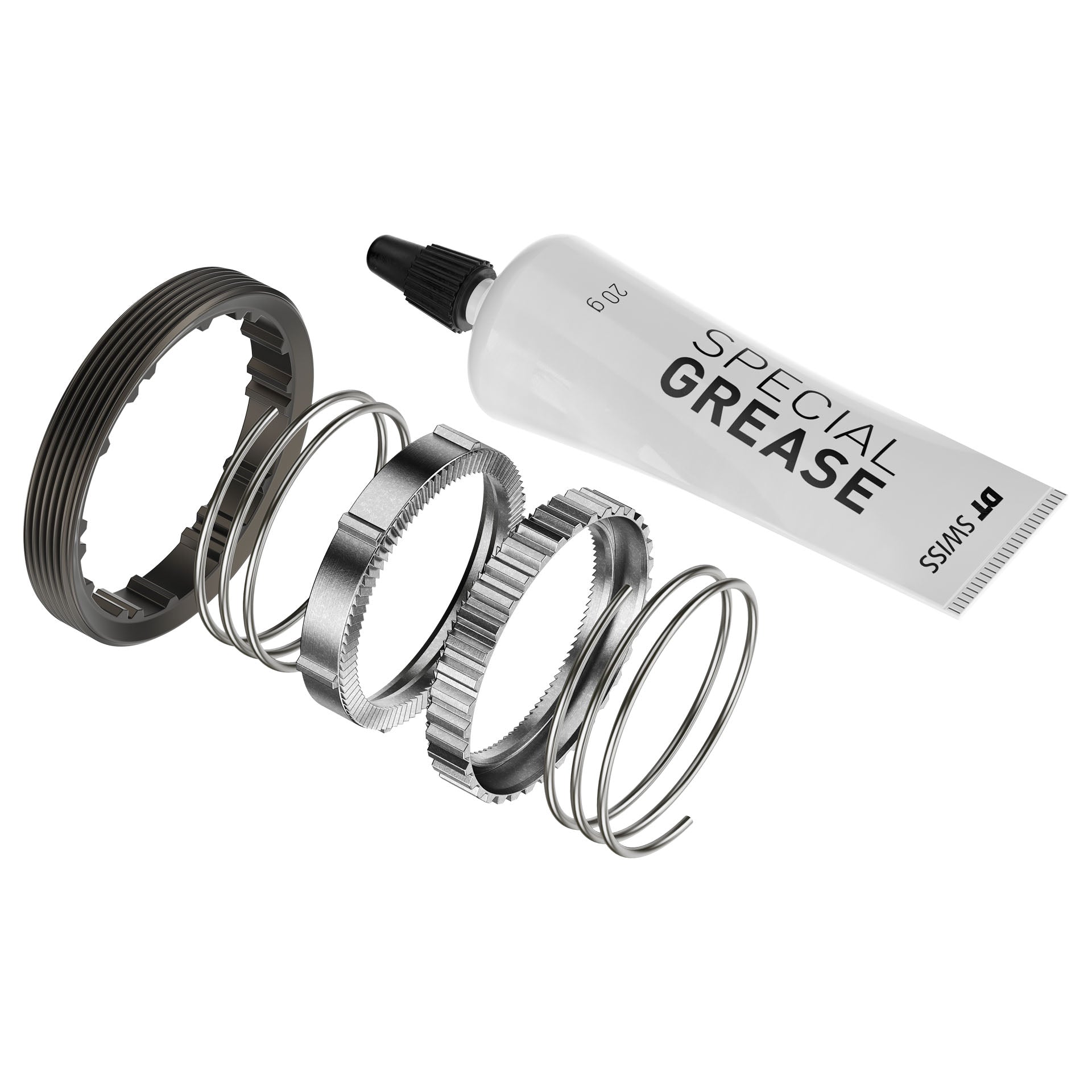
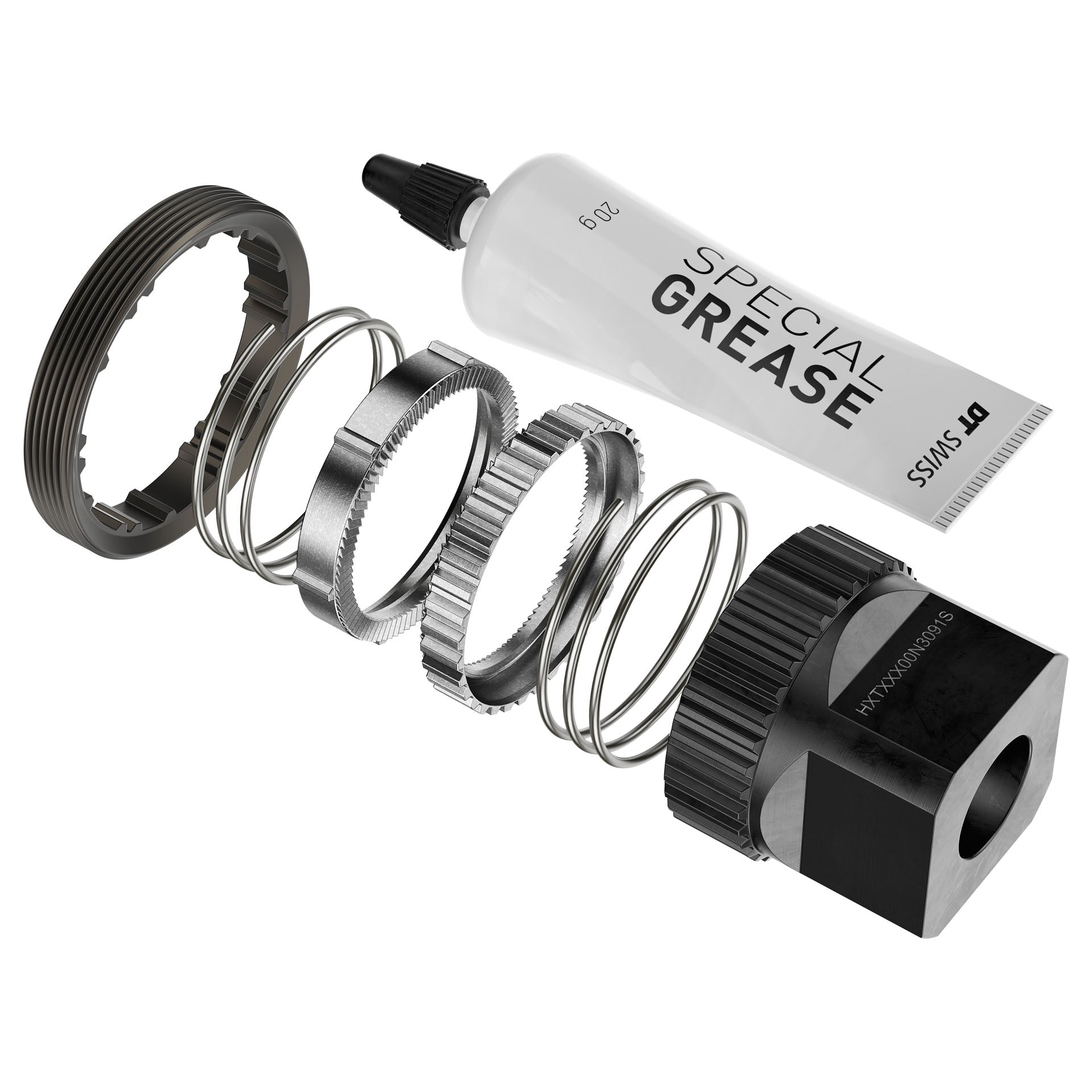
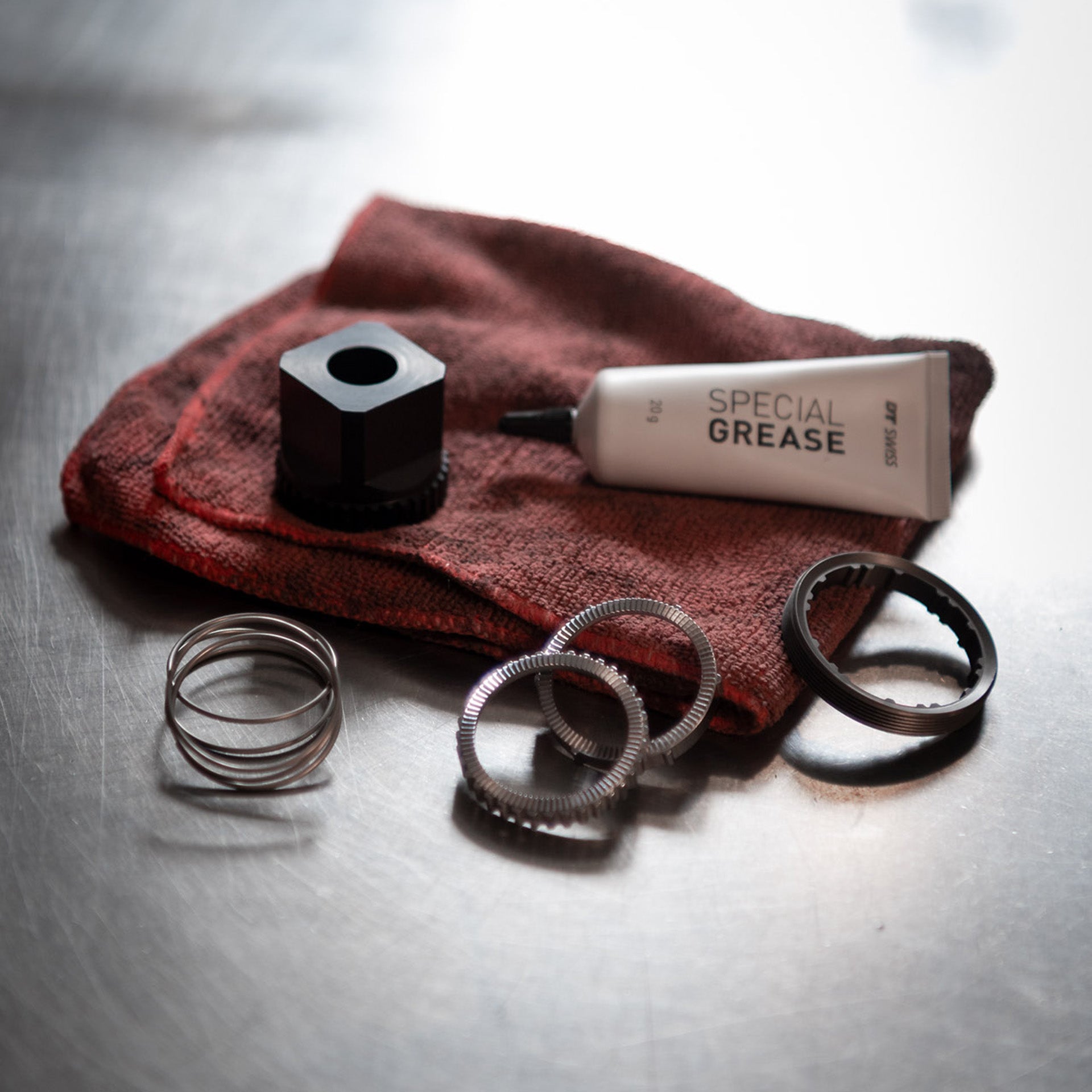
DT Swiss has developed a specialized drive ring that sits inside their DEG hubs. By adjusting the position of the ratchets within this drive ring, riders can select between 0°, 10°, or 20° of float.

Rather than absorbing the chain's "tug" at the crankset, the DT Swiss system handles that movement at the cassette and freehub.
The adjustment process is a bit more involved than the Ochain:
-
Remove the rear wheel.
-
Pull off the cassette and freehub body.
-
Reposition the internal ratchets to your desired setting.
-
Reassemble the hub.
While it isn't quite as instant as the Ochain’s external dial, the system is designed to be tool-free. This means you can still swap settings in the parking lot before smashing bike park laps or at the trailhead without needing a workbench.
Which One is Right for You?
If you want to hear our on-trail impressions and find out which system is best suited for your riding style, check out our YouTube video for a deeper dive into Ochain and the DT Swiss DEG DF system.