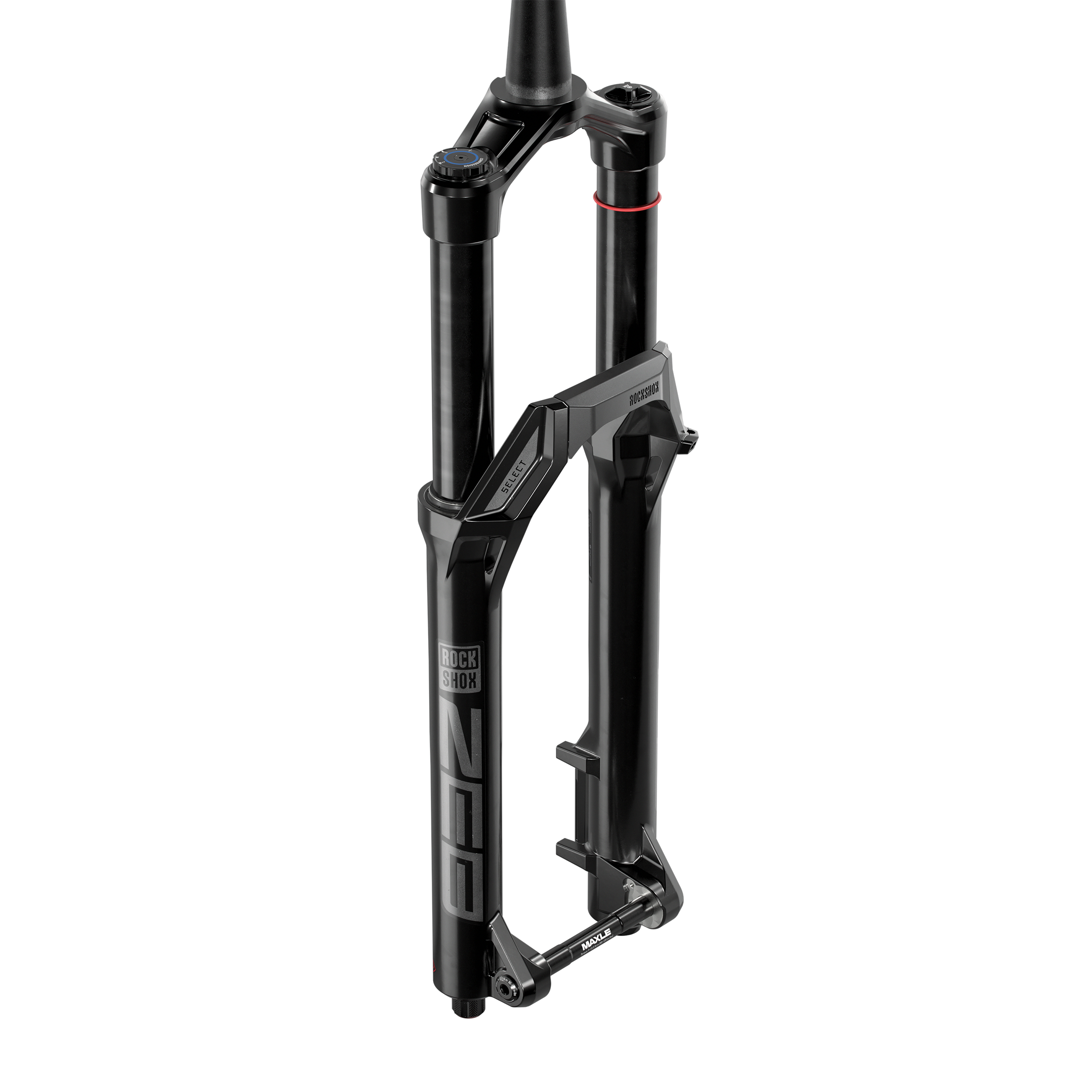
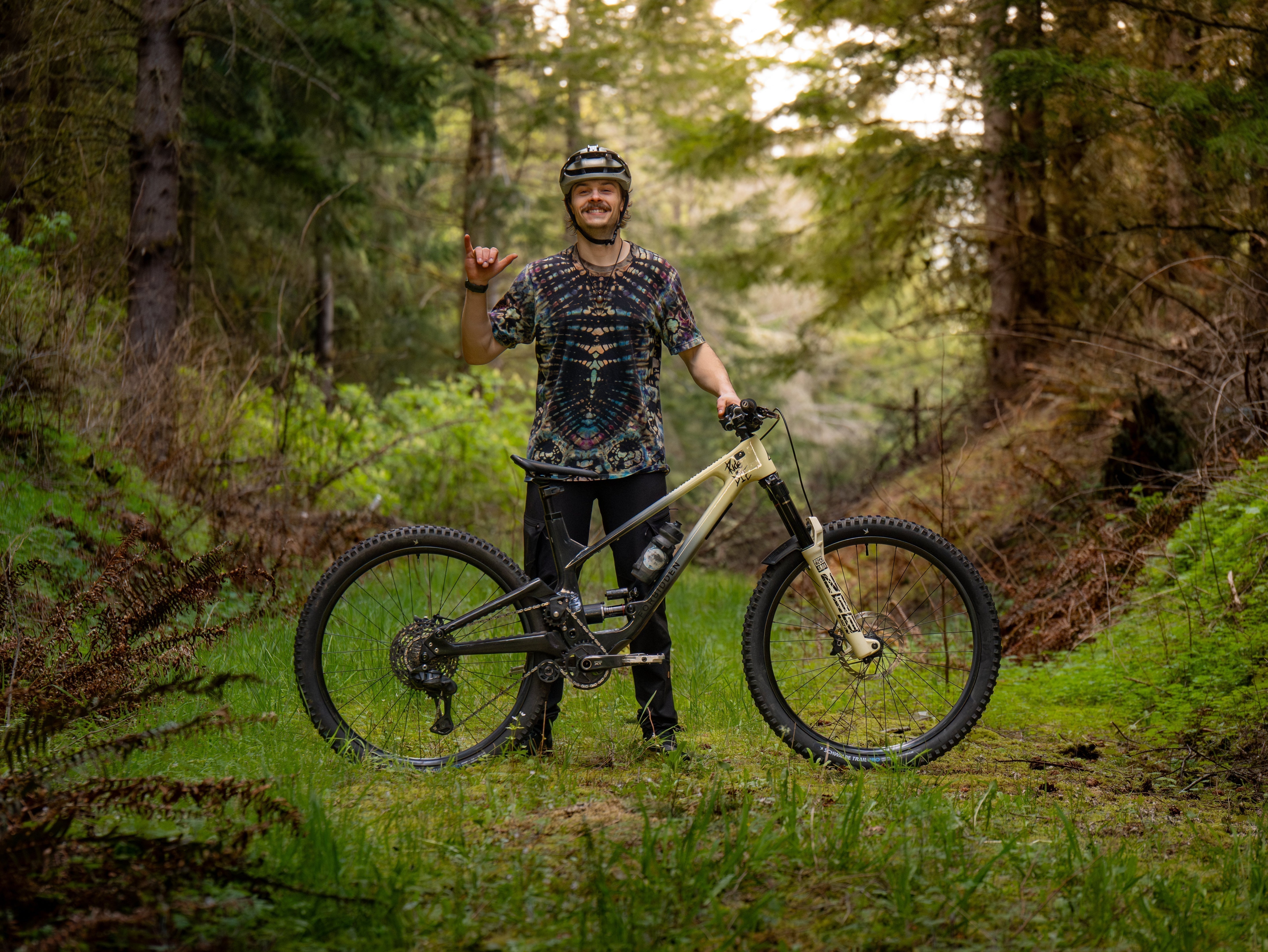
When it comes to mountain bike suspension for years brands have been hammering the importance of damping. For model year 2027 RockShox suspension (I know its confusing! We are living in 2026 but the suspension model year is some how a year in the future!), RockShox has shifted their focus to the airsprings! The all new RockShox Zeb is built from the ground up around their new LinearXL airsprings, and the result is a fork that feels glued to the ground. We got our hands on one early, bolted it up to a Crestline RS181, and put Jan on the clock to find out if "more predictable" actually means "faster."
What's New On This Latest Generation Suspension?
Here’s a quick rundown on what’s new. For a full breakdown of everything RockShox updated for 2027, check out our full overview.
Airspring - Linear XL
Twin tube design, hollow airshaft and piston, plus the new AirAnnex on the lowers for reduced end-stroke progressivity.
Damper - Charger 3.2
Fully retuned from the ground up to work with the new airspring. Not backwards compatible — these two are a matched set.
Bottom Out Control - Adjustable Bottom Out (ABO)
8 clicks of trail-side adjustability controlling 7–17mm of end-stroke support. Tune this before you reach for volume spacers.
Stanchions- Butterwagon + Breathers
Dimpled stanchions below the seals keep bushings lubed, while new breather holes help the lower leg stay linear through travel.
Seals - New SKS Wiper Seals
Co-developed with SKS and exclusive to the Zeb and Lyrik. Designed to reduce friction and improve small-bump sensitivity. Backwards compatible.
Crown - New Pressure Bleeders
The bleed buttons are back — now on the crown instead of the lowers. No more crouching down mid-ride to fart your fork.
The Big Shift: Airspring Over Damping
RockShox's philosophy here is straightforward, a predictable fork is a faster fork. The LinearXL is built to be position-sensitive rather than speed-sensitive, so you always know where you are in the travel and what the fork is going to do next. The twin tube design, reduced piston-to-airshaft ratio, and the AirAnnex bump on the lowers all work together to flatten out that spring curve and remove the unpredictable spike of progressivity you used to feel towards the end of travel.
One thing worth noting: if you're coming from an older Zeb, your air pressure will be going up. The more linear tune requires higher pressures to deliver the same support, so don't panic when you look at the setup chart. Jan was running quite a bit less in the old fork — we'll drop the exact numbers in the video.
How we tested it
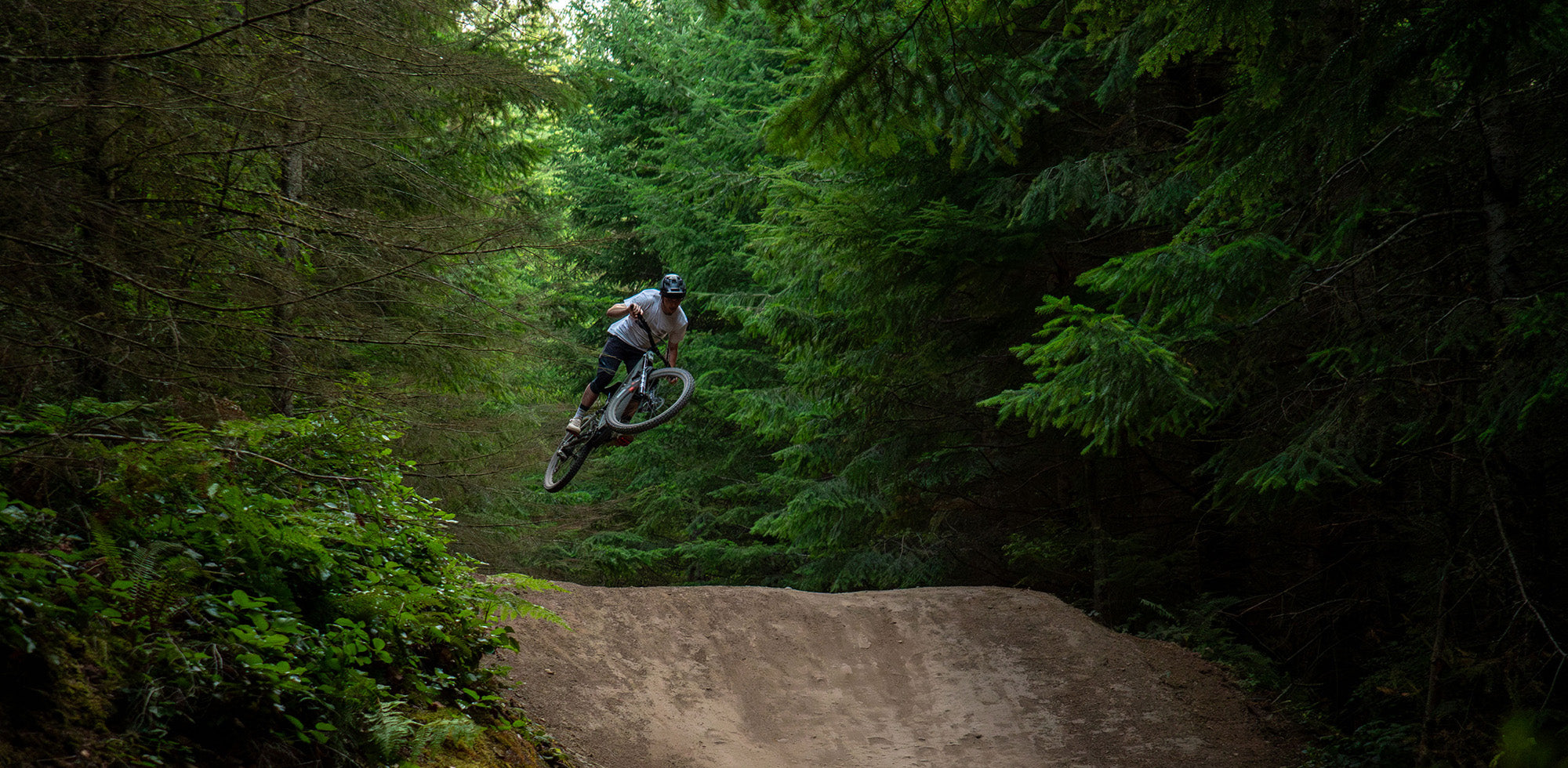
It wouldn't be a PNW bike ride without a little mud! We set out with a slight drizzle to our local trail network and chose a trail with a little bit of everything. Some flow, some chunk, and overall good times. That trail was Iris Death.
Now Jan has owned the previous generation Zeb so its a fork he's familiar with. For the first 3 timed laps down Irish Death, Jan had the previous generation Zeb mounted to his bike set up just how he likes it.
Jan's Zeb Settings
| Rider Weight: | 150 lb |
| PSI: | 68 |
| HSC: | +1 |
| LSC: | -2 |
| Rebound | +9 from Closed |
After he put down 3 laps on the previous generation Zeb we headed to the parking lot to make the swap to the new 2027 RockShox Zeb and do it all over again.
For his first lap on the new fork we set him up with no volume spacers, ABO wide open, and 110 PSI in the fork. With the new fork design air pressures are much higher. After his initial lap we realized RockShox suggest 10 PSI more when mounted to an e-bike so we added some air, adjusted ABO to its center position of 4 clicks from wide open and sent him on his way again. For the 3rd and final lap we kept air-pressures consistent, but closed the ABO completely off to see how that felt.
If you want to know the times and see how the Zeb performed you'll have to watch the video!
Want to see how the new ZEB fits into the full 2027 RockShox lineup?