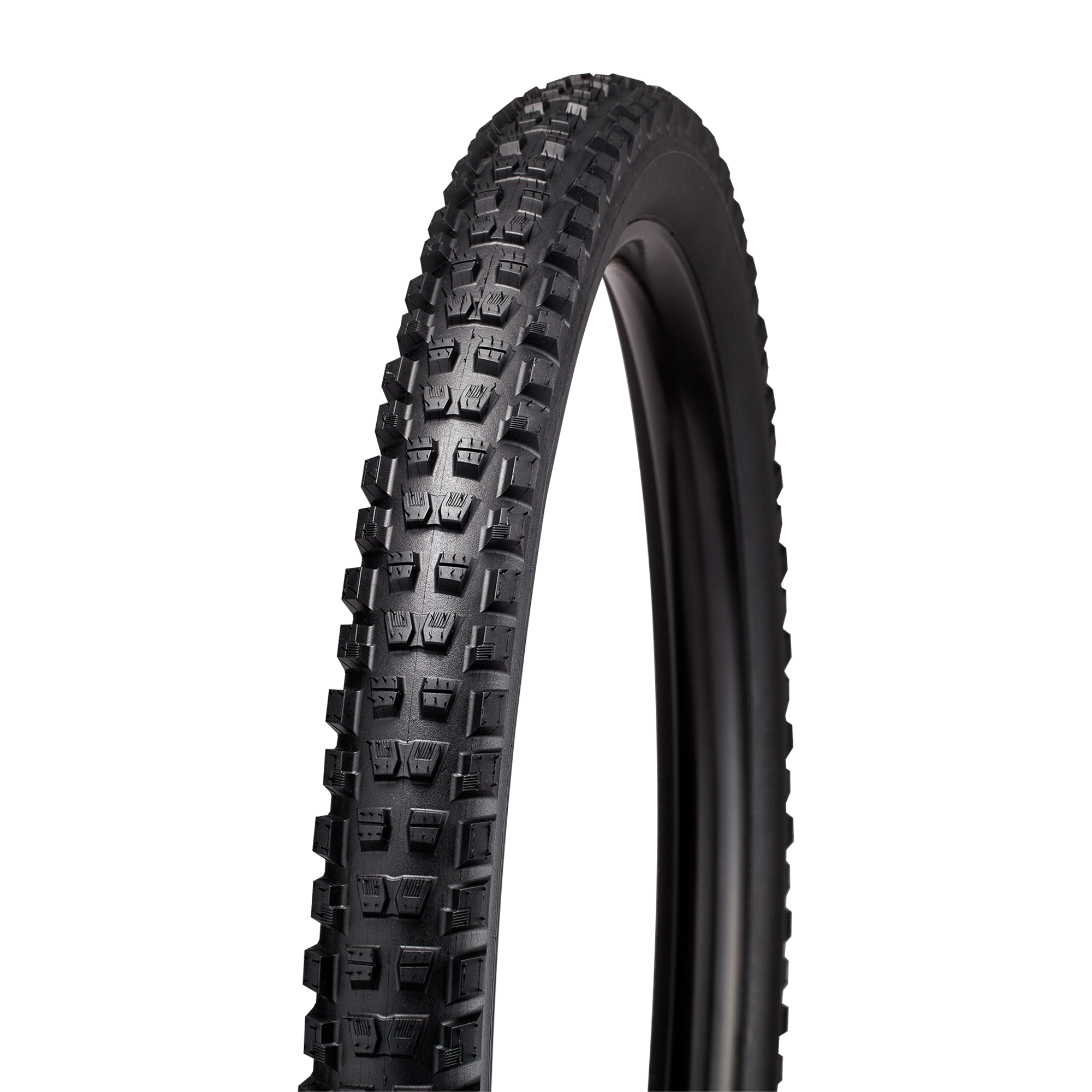
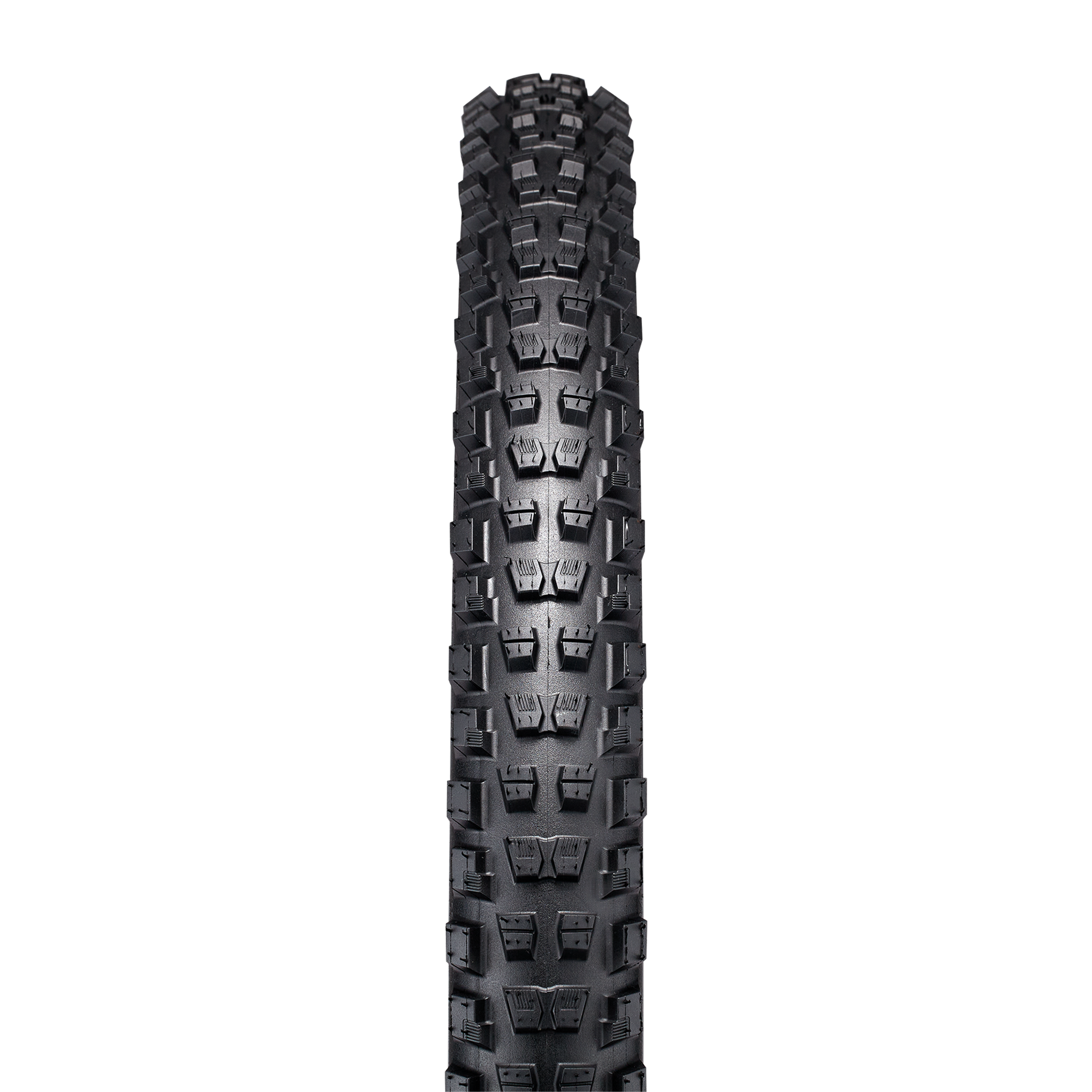
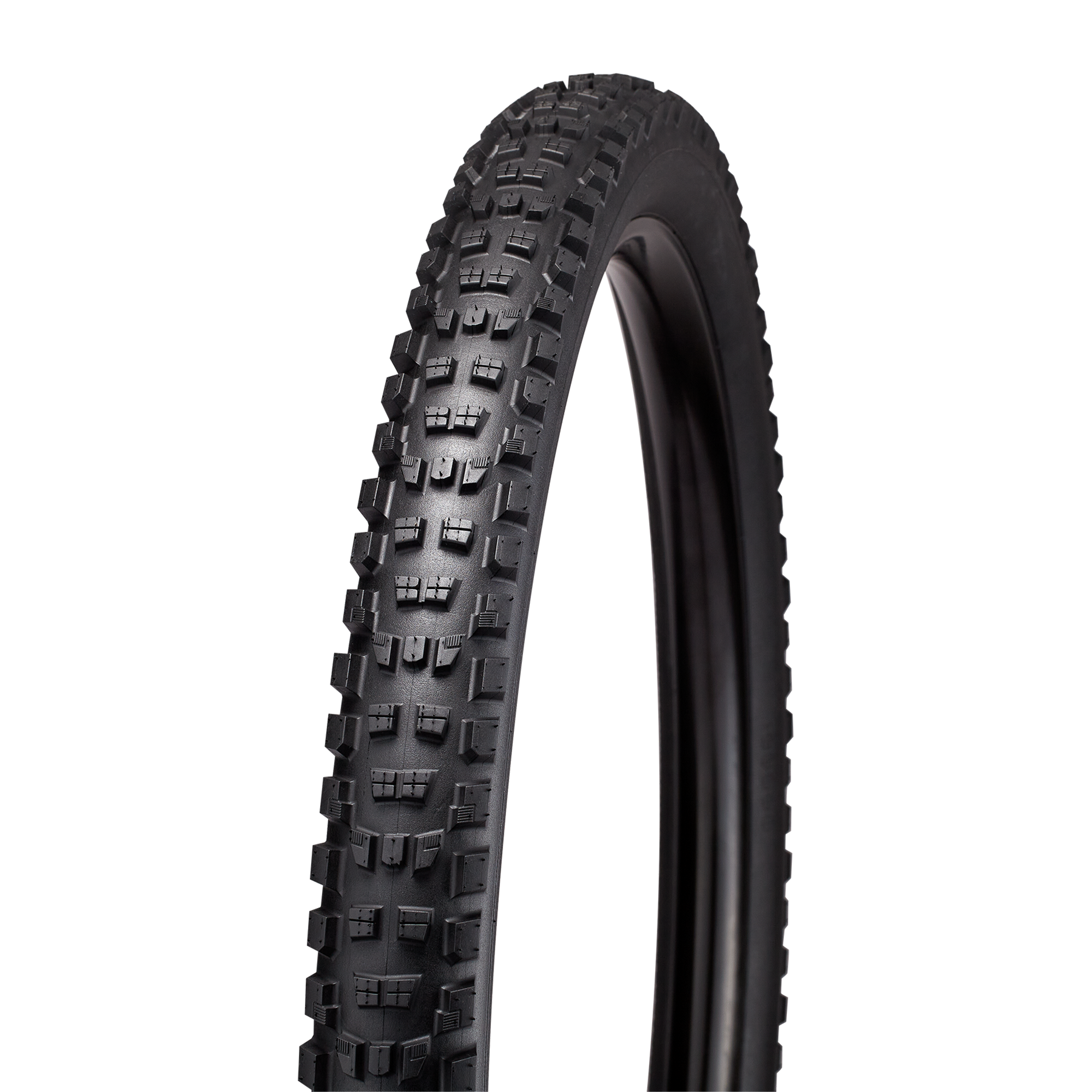
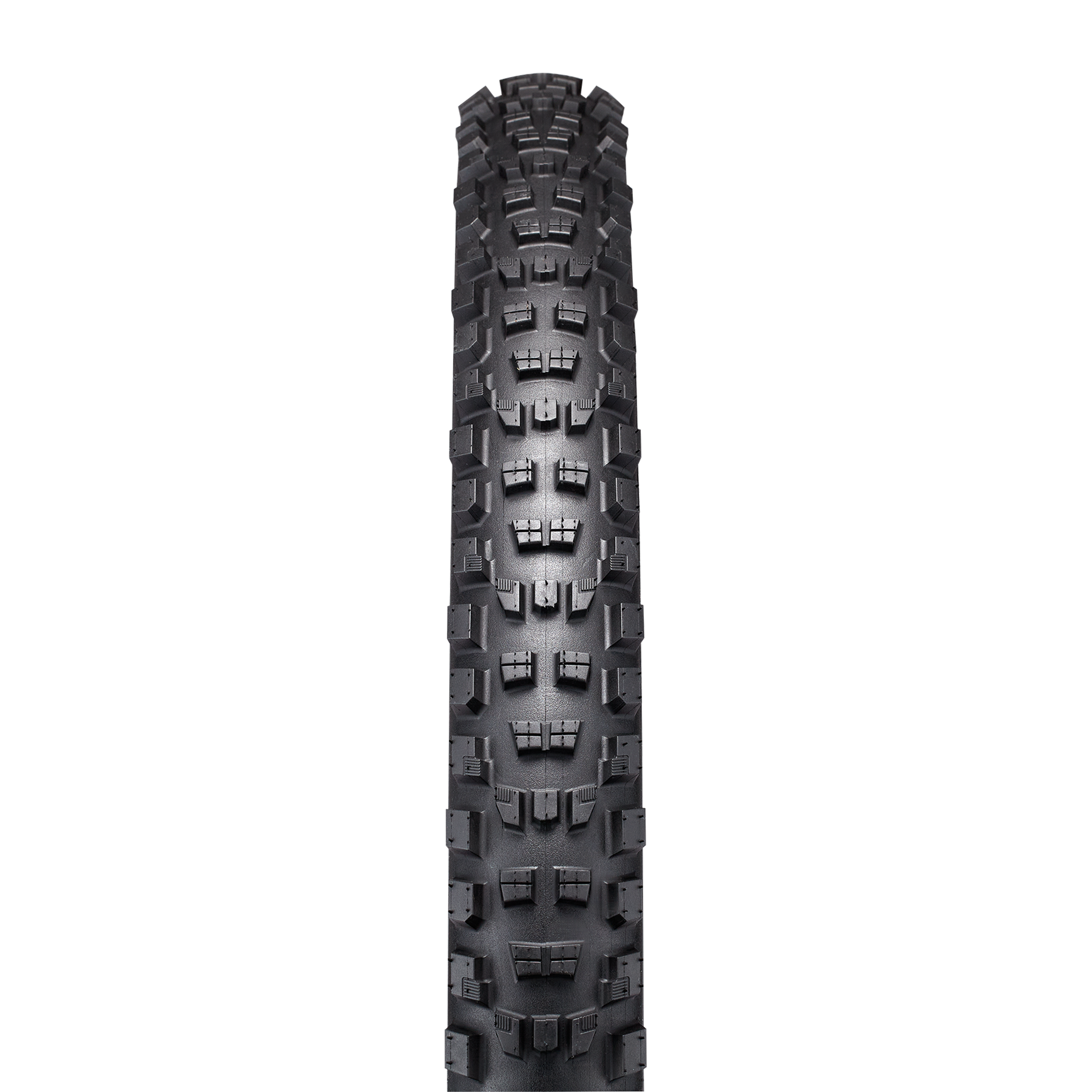
Radial-construction tires are still fairly new to the mountain bike industry, but they are flying off the shelves faster than we ever could have predicted. As the pioneers of this tech, Schwalbe has dominated the category with now seven different tread patterns (Magic Mary, Albert, Tacky Chan, Romy, Shredda Front & Rear, and Eddy Current) featuring their radial technology. With a catalog spanning such a broad range of tires for every discipline and condition, how could anyone compete?
In steps Specialized Bike Components. SBC is one of the first companies to see if they can give Schwalbe a run for their money in radial tire construction. But they did more than just copy Schwalbe’s construction method and slap a “radial” label on the tire to cash in on the craze. Designed from the ground up (hah), these new tires feature a fully re-engineered carcass that provides some interesting characteristics that already set them apart from the competition.
In this Fanatik First Look, we’re going to dive into the new technology, discuss some initial riding impressions, and give a little insight into how they stack up against the other radial tires dominating the market.

WHAT COULD SPECIALIZED DO DIFFERENT?
So, how is Specialized going to challenge Schwalbe in the radial tire game? What can they achieve that Schwalbe hasn’t already accomplished with its ultra-grippy, highly successful lineup of radial tires? Well there is one standout issue that radial tires have suffered from since the get go: balancing radial stiffness (how easily the tire conforms to the terrain over which it rolls) and lateral stiffness (how easily the tire deforms side-to-side at the sidewall).
To achieve low radial stiffness (more grip), one must run lower tire pressures to allow the rubber to bend and conform more easily. Conversely, this also allows the sidewall to flex more easily, resulting in poor sidewall support.
On the flip side, achieving a higher lateral stiffness (more support) requires higher tire pressures to give the tire structure. This then limits the radial conformity, resulting in lower traction and, in some cases, a bouncy-feeling tire.
Specialized set out to see if it could find the best of both worlds when balancing these two elements. Working with its in-house S-Works Tire Factory, engineers dug deep into radial construction to develop multiple casing angles and better understand how these tires perform. Finally, introducing these new tires with a construction fittingly dubbed as The Sweet Spot Ply, it appears Specialized has found that balance. With these newly re-engineered tires, they were able to accomplish three things:
-
Reduced radial stiffness by 30%, dramatically improving trail conformity.
-
A decrease in lateral stiffness by only 7%, retaining cornering support and precision.
-
Create a tire with these characteristics that works using the same tire pressure riders are already familiar with.
Basically what this sums up to is a tire with tons of grip potential, featuring a very supportive sidewall, all at your standard PSI. *mic drop*
In all seriousness, although these numbers seem impressive, what do they mean on the trail? Is a 30% difference really that noticeable? Let’s throw a set of the new tires on a bike and take them for a spin.

PREVIOUS SETUP:
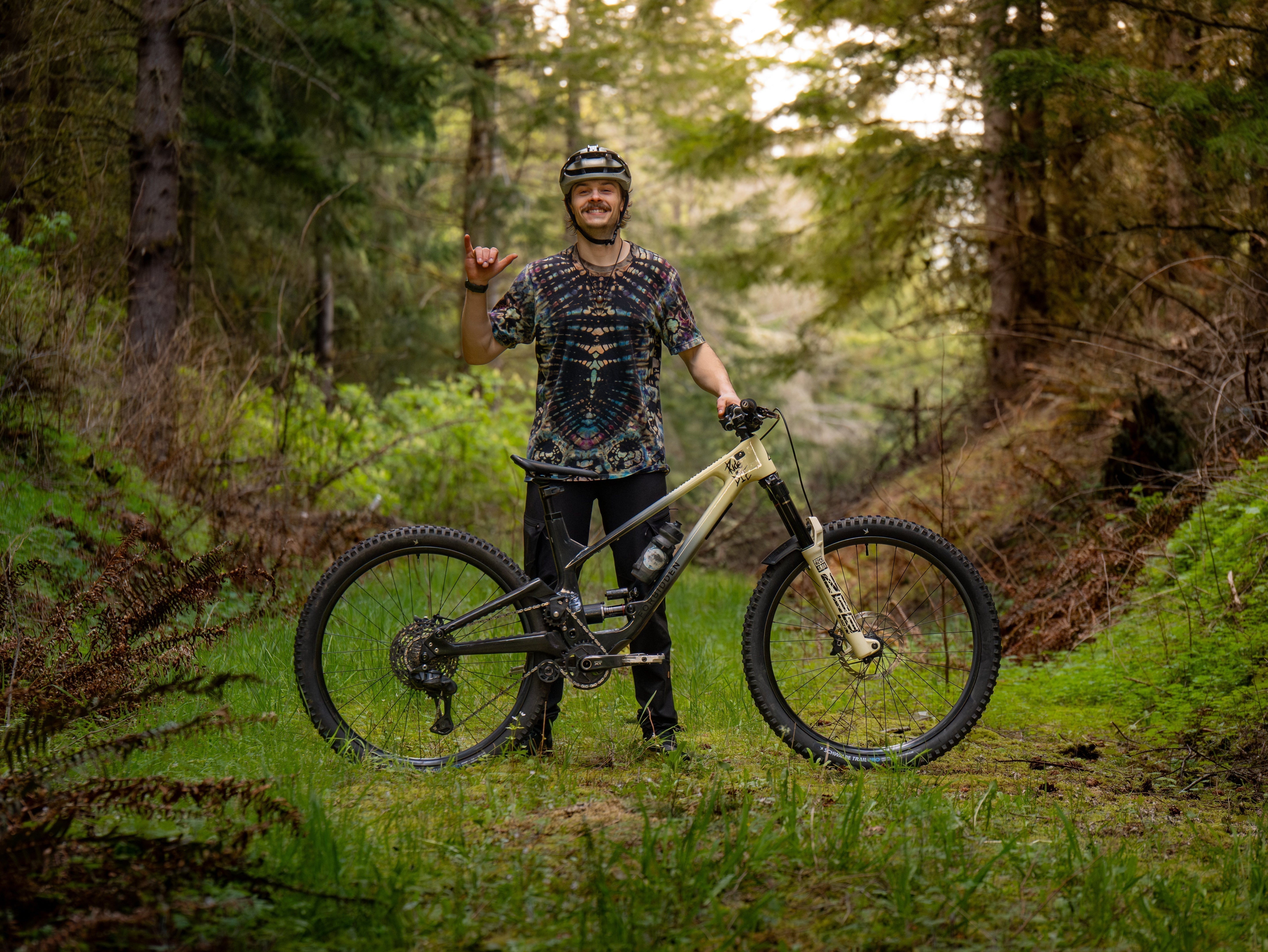
To provide some context before we jump on the new SBC radials, I figured I’d touch a bit on my experience with other radial tires. I’ve been a huge fan of Schwalbe’s Magic Mary Radial and have been riding it both front and rear on my bike for almost a year until this point. The Mary was the first radial tire I had ridden and was quickly convinced of its capabilities after a few rides. I also spent some time on the Albert Radial during this period, but found myself coming back to the Mary for its more widely spaced, aggressive tread pattern. Although the Mary tread pattern was not new to me, I found the radial carcass construction genuinely conformed to the terrain, allowing the tire to cling to angular rocks, off-camber roots, and other trail elements that tend to deflect one off line.
Riding pressures took a little while to dial in, eventually landing on 23psi front and 26psi rear. At my weight and riding style, I found those pressures gave me a balance of mega grip with decent sidewall support. That being said, even with the Gravity casing, sidewall support is where I felt the Schwalbe radial design may have fallen a tad bit short. With a carcass designed to conform as much as the radials do, this isn’t too much of a surprise. Hard pack terrain, higher speeds, and really pushing into the tire resulted in a sort of wandering or squirming sensation. Now at my weight, I felt this slight downside wasn’t that big of a deal all things considered, I would just opt for a traditional tire when riding those types of conditions and bike park settings.
Something to note is that Schwalbe has recently refined its tire lineup and adjusted its casings. I personally have not had the chance to ride any of the “updated” tires, so this comparison will be aimed at the first generation of Schwalbe radials. Stay tuned if you are interested in a review of the updated run of Schwalbe tires ;)

FIRST IMPRESSIONS:
Spring has arrived here in Bellingham and, with such a dry winter, the drier dirt conditions are already here. Although I’m excited to get these tires on some wetter terrain soon, my comparisons in this write up will be made based on how both the radial tire brands perform in dry conditions.
I’ve mounted a set of these up on my bike and have taken them on a handful of rides through various terrain, to the point where I feel I can offer some valuable insight into how they compare to the competition. Here is a quick rundown of the current specs SBC is offering with their new radial tech:
Butcher Grid Gravity Radial T9 TLR – $90
Eliminator Grid Gravity Radial T7/T9 TLR – $90
Since they’re currently only offering the two tread patterns, it made it relatively easy to choose my setup:
FRONT: Butcher | 29 | 20psi
REAR: Eliminator | 27.5 | 23psi
Within the first few minutes of my initial “shake down” lap on Orient Express, I experienced a notable difference. Yes, coming from a set of well-broken-in tires to freshies is sure to deliver a very apparent difference in feel. We all know tires feel best when they’re brand new, but I’m not a World Cup racer so, unfortunately, I don’t get new rubber every 5th lap. Cut me some slack on this one. But genuinely, these tires felt impressive.
One of the first sensations that set these tires apart from Schwalbe’s was a noticeable increase in support when pushing in corners and off jumps. Being something Specialized made an effort to market, I really wanted to see if this area would show an improvement from Schwalbe. And they delivered. I made many attempts to push and roll the tire laterally in corners on this first lap and found it to feel virtually the same as the sensations I am used to riding traditional bias ply tires.
I think another factor that makes these tires feel so grippy is the ultra-sticky T9 rubber. Now this compound isn’t new to the radial line up, Specialized has offered this for years, but I think the combination of the T9 rubber and this new construction is a match made to mimic Velcro. Seriously, if you haven’t given T9 rubber a try, it’s good stuff.
On my next few rides I took these tires down a plethora of different trails ranging from dry loam, dust, rock slabs and gardens, and good old hardpack dirt. No matter the terrain, I felt confident these tires had me locked in. The stability was consistent and trustworthy yet the tires still conformed to the terrain, letting me to stick to off-camber roots, angular rocks, and other trail features that deflect you off your line. To say the least, I’m stoked on what SBC has accomplished with these new tires.
Specialized’s advice to run “normal” tire pressures was also pretty spot on for me. I felt like I had plenty of support and solid rolling speed yet no bouncy, over-inflated feeling and most importantly, plenty of traction. I’m excited to ride these tires in some high-speed, hardpack bike park conditions and see how they fare at the slightly higher pressures I tend to run in that setting.
WHO ARE THEY FOR:
Although Specialized has done a fantastic job with these new tires, comparing them to the Schwalbe radial tires as outright “better” would be unfair to say. Everyone rides differently and values different characteristics in how their bikes perform. With that being said, here are some cases in which I might recommend these new SBC radials over the competition.
-
If you liked Specialized’s tread patterns and rubber compounds. (it’s the same, but better!)
-
Riders that want really grippy tires and don't mind the weight penalty of gravity casing.
-
Riders who push hard and/or enjoy stiffer casing tires that are looking for more traction than a traditional bias ply tire.
-
Heavier weight riders looking for more support but similar grip to a traditional “trail” casing tire.
-
Riders who have tried Schwalbe’s radial offerings and didn’t find the compliance/support balance they were hoping for.
-
If you haven’t tried radial tires and want to! Great price point.
Specialized has also disclosed that there will be a Grid Trail Radial offering coming eventually for lighter weight riders, folks who want a lighter weight tire, or those looking for more sidewall compliance.
That’s all I’ve got for you lovely people as of now. I’m gonna keep riding and enjoying these tires into the summer and hope that others who give them a try might experience the same positive characteristics. Pick up a set of these new Specialized radials HERE and get yourself set up for the riding season.