Sometimes, Weather Sucks
Whether it’s the sweltering Arizona summer sun, the dark, rainy depths of a PNW winter, or daylight savings throwing a wrench into your after-work ride plans, less-than-ideal weather has a way of putting a damper on the riding season. As winter approaches and the days get shorter, finding the time to ride only gets harder for all of us. Thankfully, mountain bikers are both stubborn and innovative, and night riding was born as a result. Night riding is still mountain biking, but it’s also a totally different experience. Let me explain.

I’ll admit, when I first heard about night riding, I was skeptical. I figured I’d see less, ride slower, and be even more scared of the local wildlife watching me from the bushes. But this was one of those “don’t knock it till you try it” moments, and now I’m a full-on convert. When I ride at night, the trails look completely different—but in the best way. I get to rediscover trails I’ve ridden countless times from an entirely different perspective.
Thinking in “dude math” terms, night riding effectively doubles the number of trails you can ride, since riding those familiar trails in the dark feels completely different. Let’s break down the differences between Outbound’s night-riding lights so you can get set up for your next nocturnal excursion.
Who is Outbound Lighting?
Outbound Lighting, a company born in Chicago and raised in Bellingham, understands the magic behind night riding. Outbound prides itself on designing durable bike lights for mountain, gravel, and road riding, with the goal of expanding riding opportunities without sacrificing performance. In other words, they make lights that are seriously good.
 Their motto, “Don’t be a dick,” is less a slogan than a warning. Outbound backs their lights with authenticity. Instead of claiming to be “brighter” or “better” than the competition, they let the product line speak for itself.
Outbound understands that lumens and lux only provide limited insight into how a light will perform on the trail. The engineers discovered that beam pattern—where the light falls within our field of vision—matters much more than a light’s overall brightness. Combining advanced beam patterns, long battery life, and a stellar warranty, Outbound lights leave little else a rider could ask for.
The Lineup
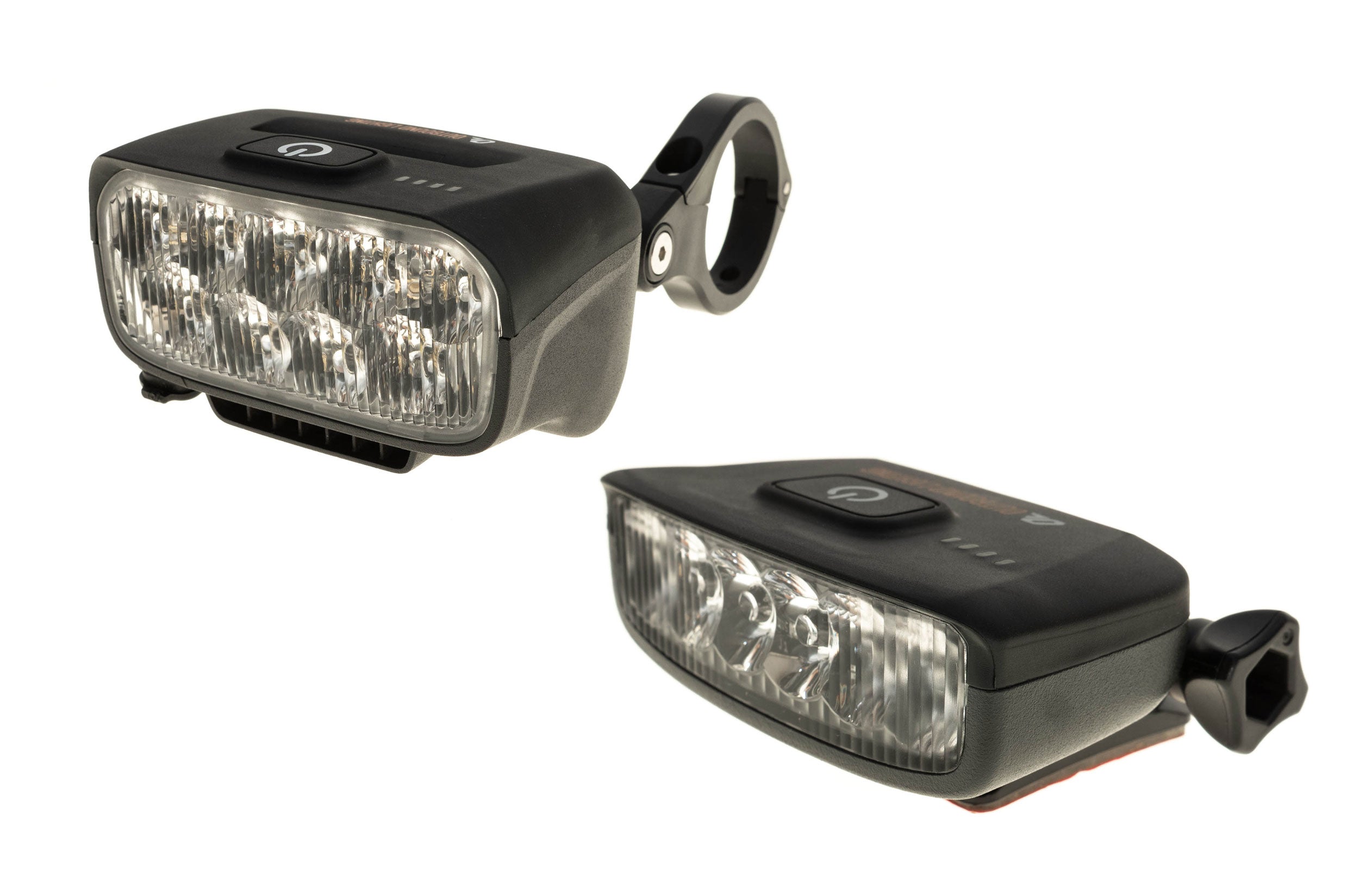
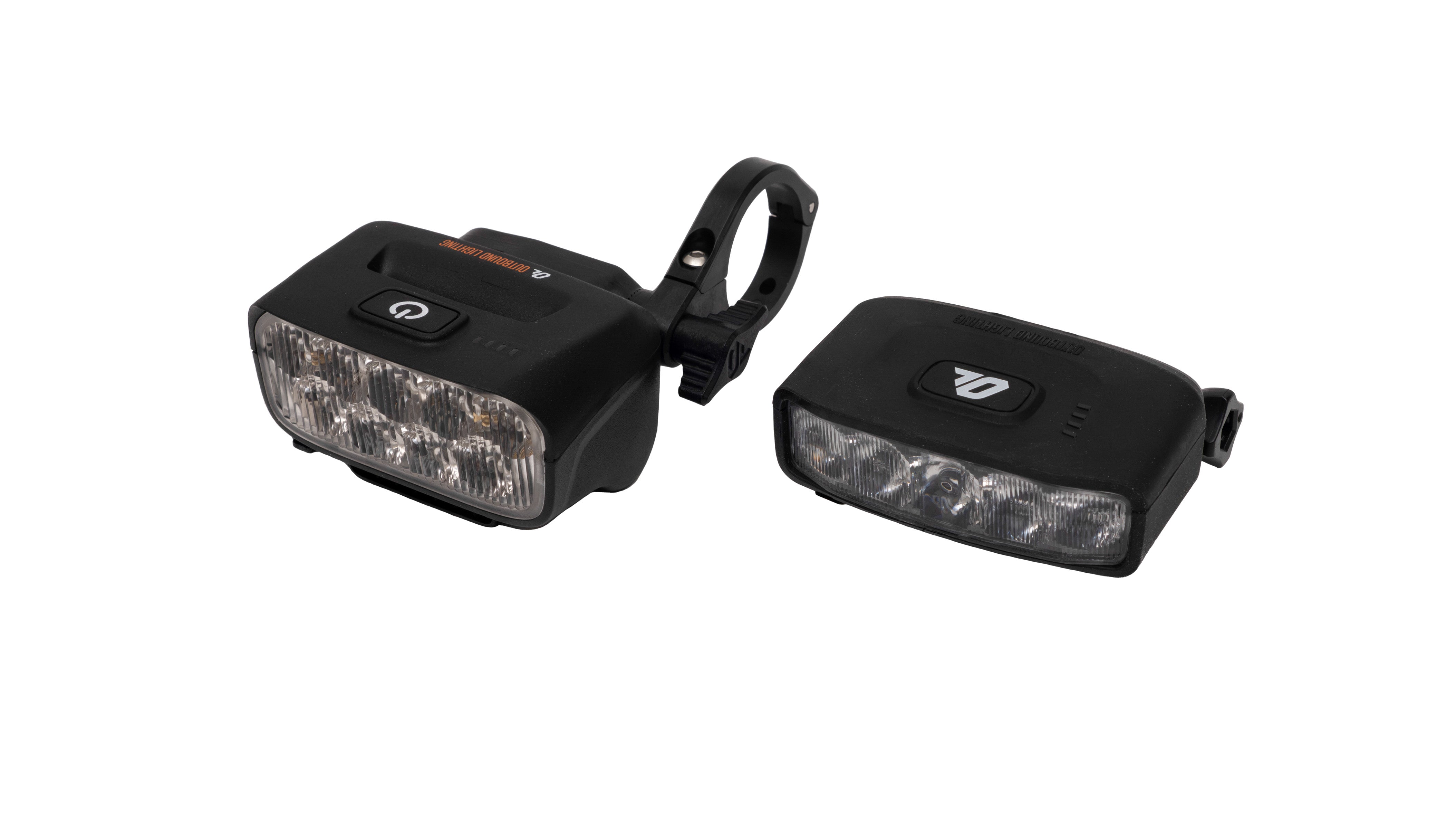
Outbound also makes it easy to understand the differences between their lights. With a lineup of four lights—two handlebar and two helmet—Outbound lets you mix and match combinations to best suit your riding style.
Trail Evo:
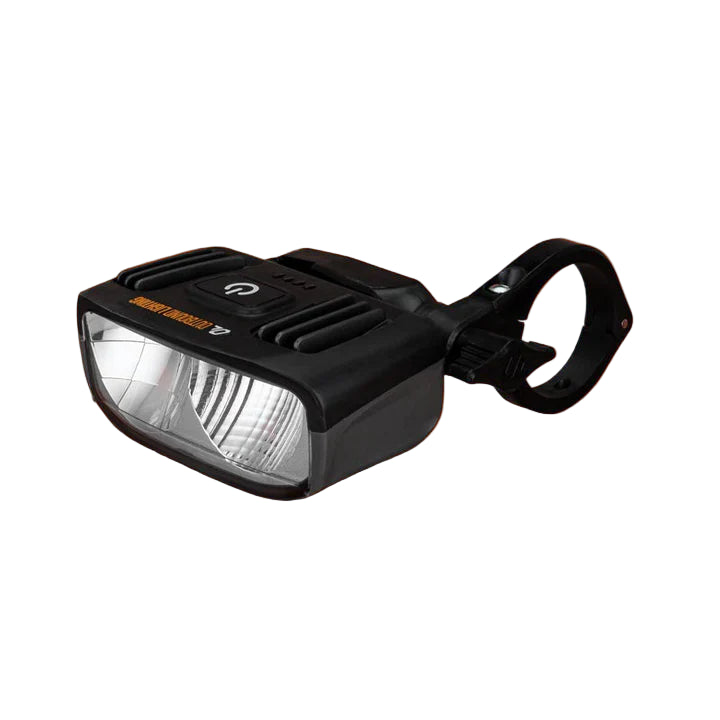
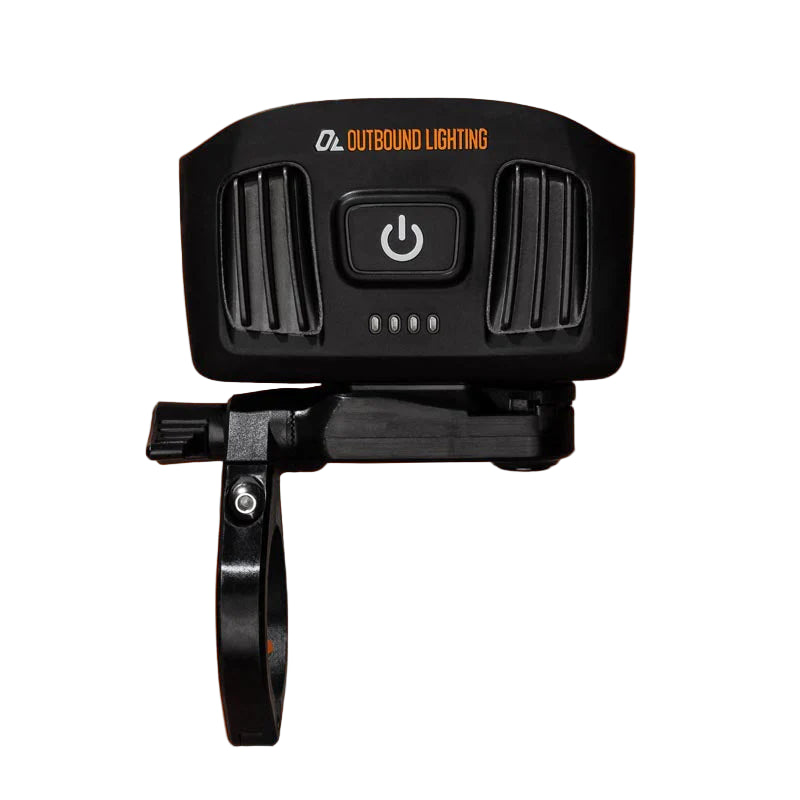
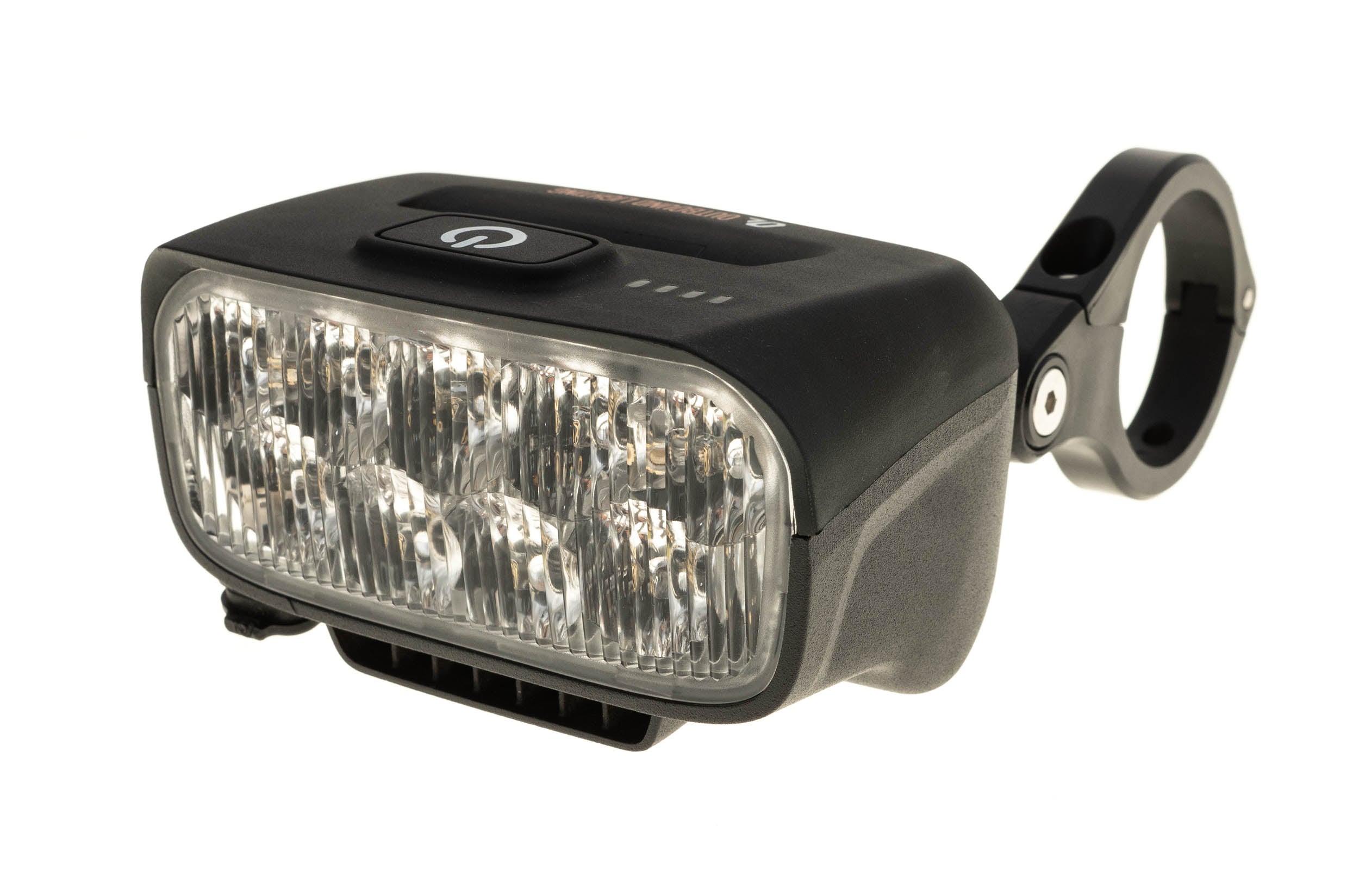
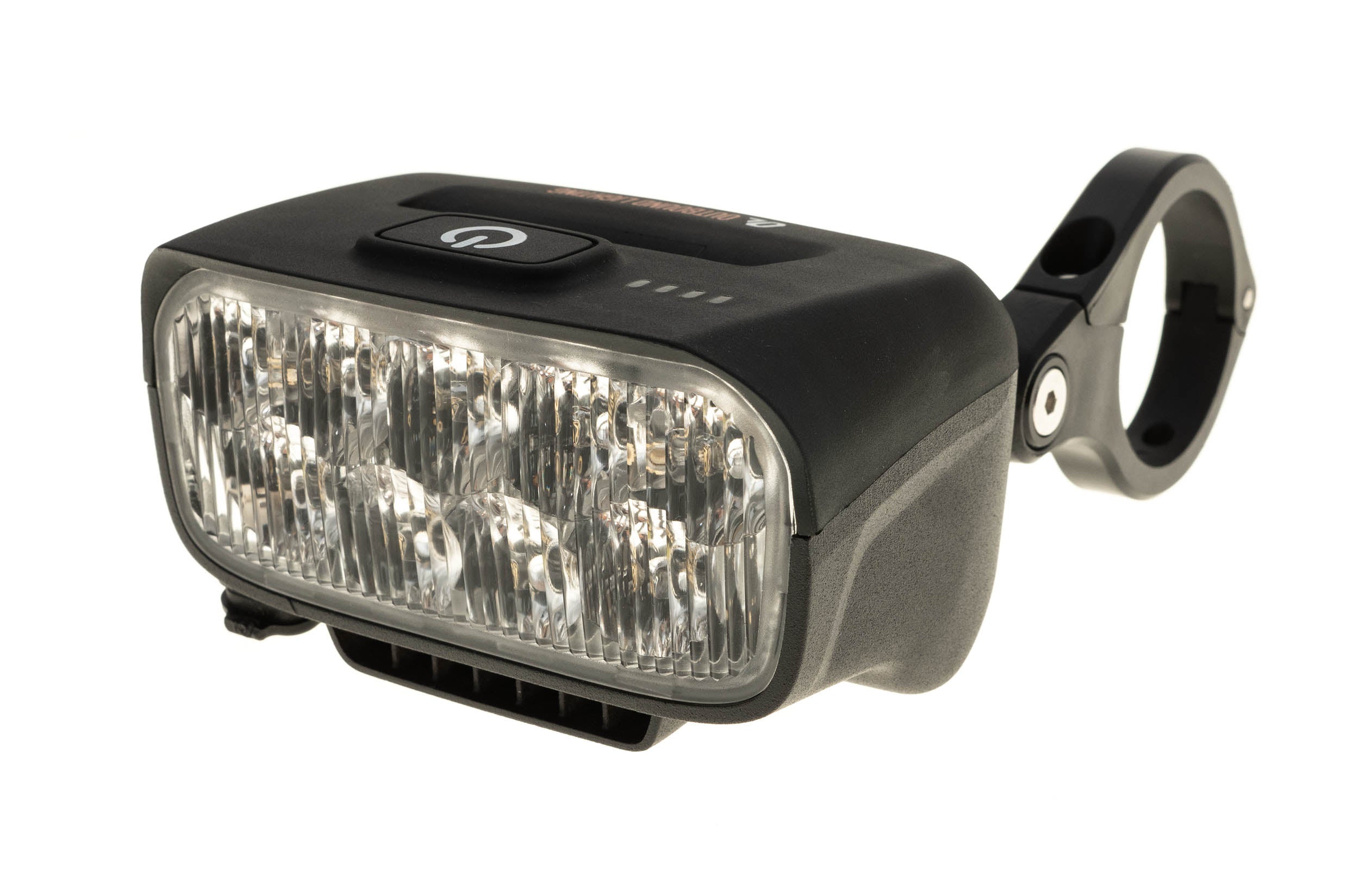
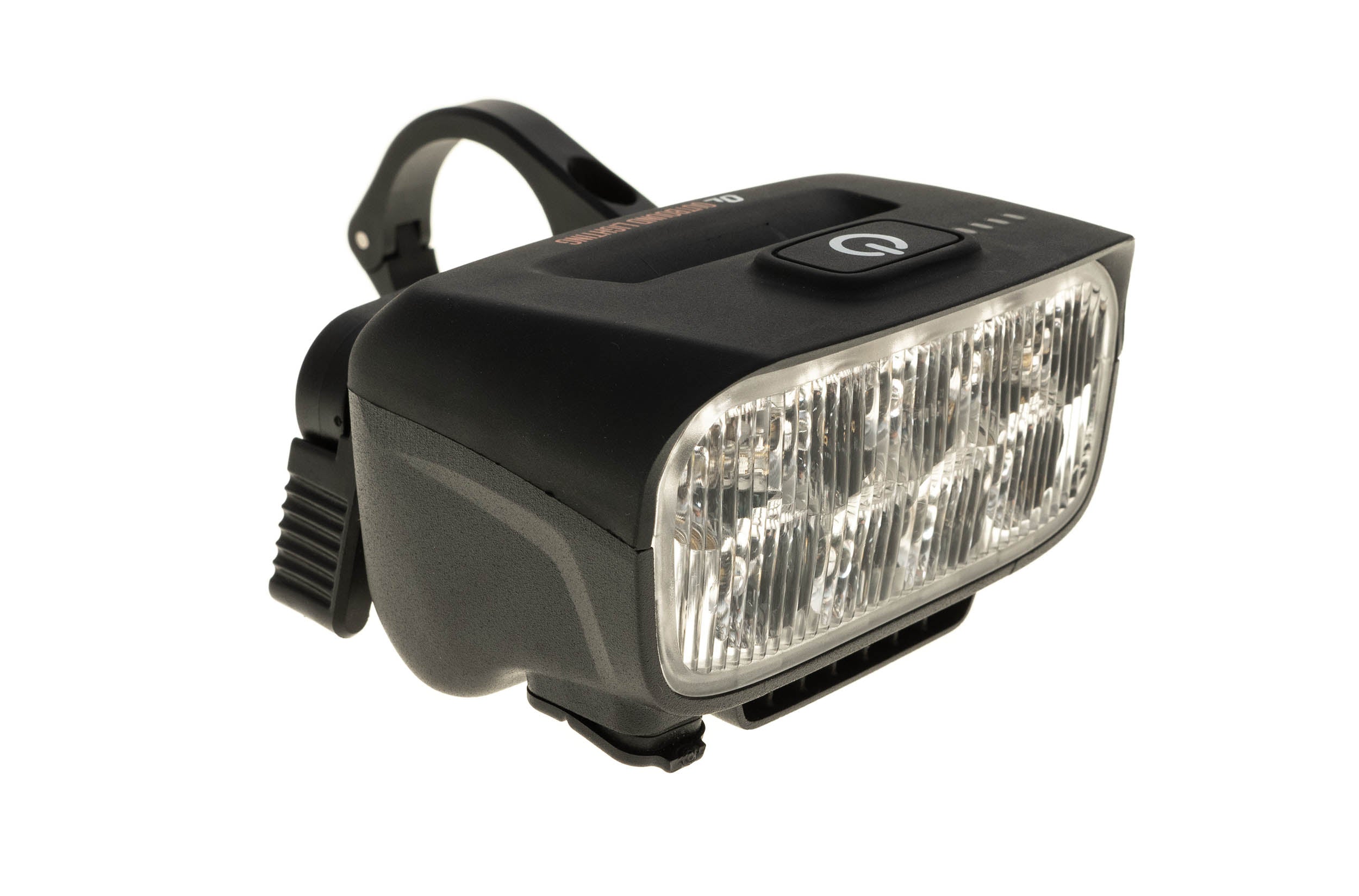
 The Trail Evo is Outbound’s flagship handlebar light. Priced at $245, the Trail Evo boasts a 10,000 mAh battery with a 2.5-hour runtime in adaptive mode. At its peak brightness of 2,200 lumens, the light provides 1.5 hours of runtime. With a long-lasting internal battery, USB quick charging, and a thick, durable shell that holds up in the toughest conditions, riders can have absolute confidence in this light on the trail.
Portal:
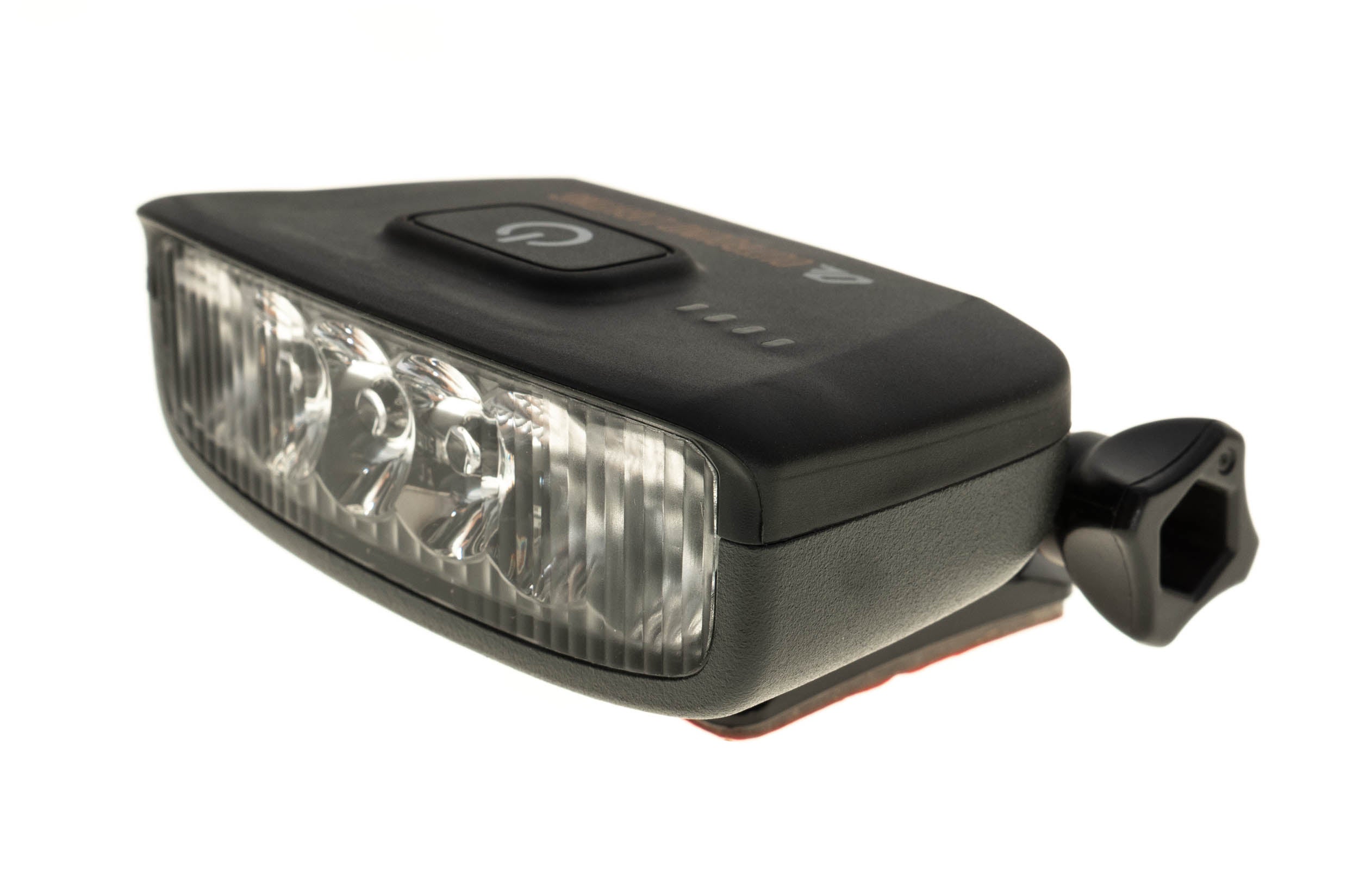
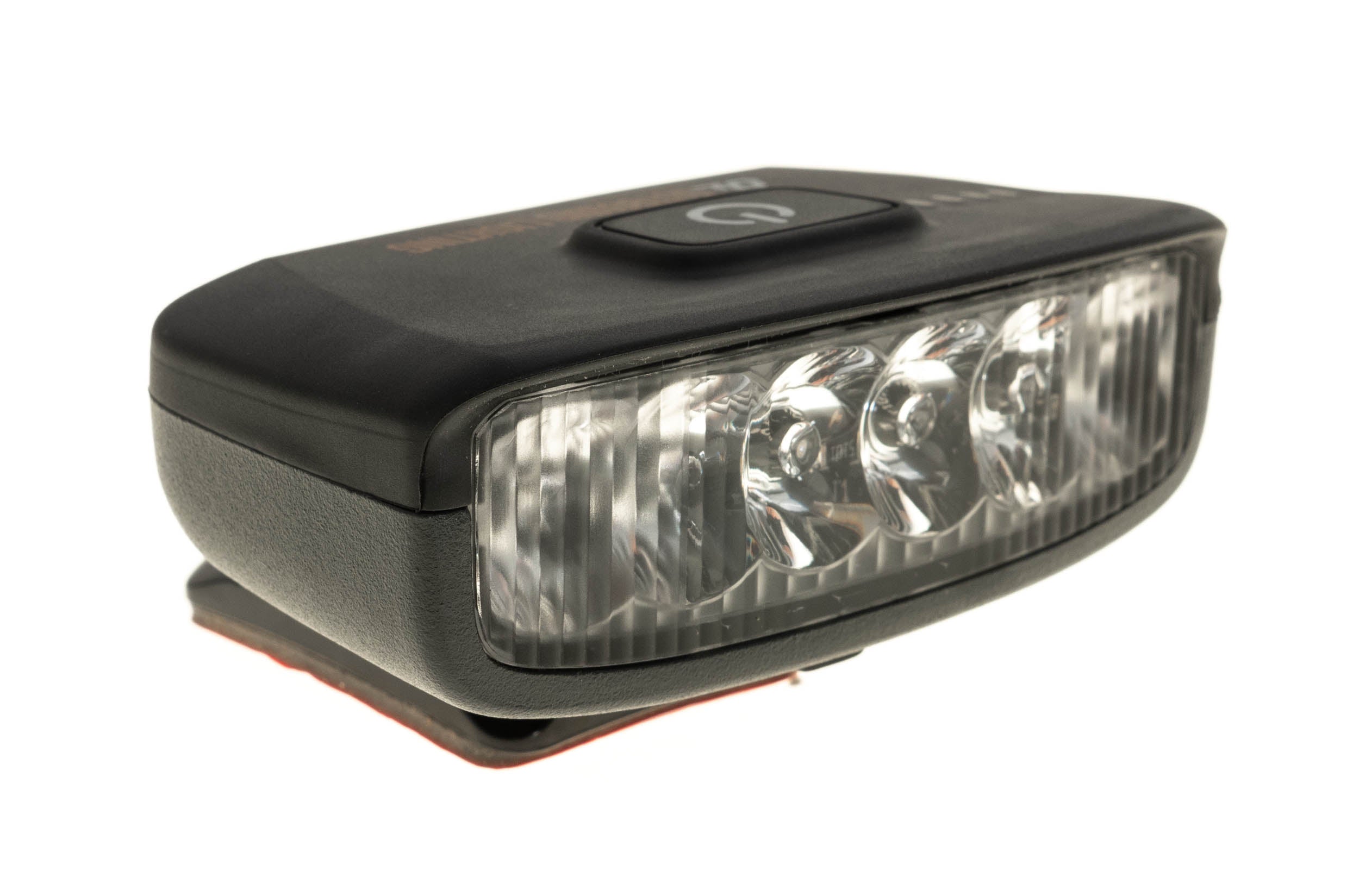
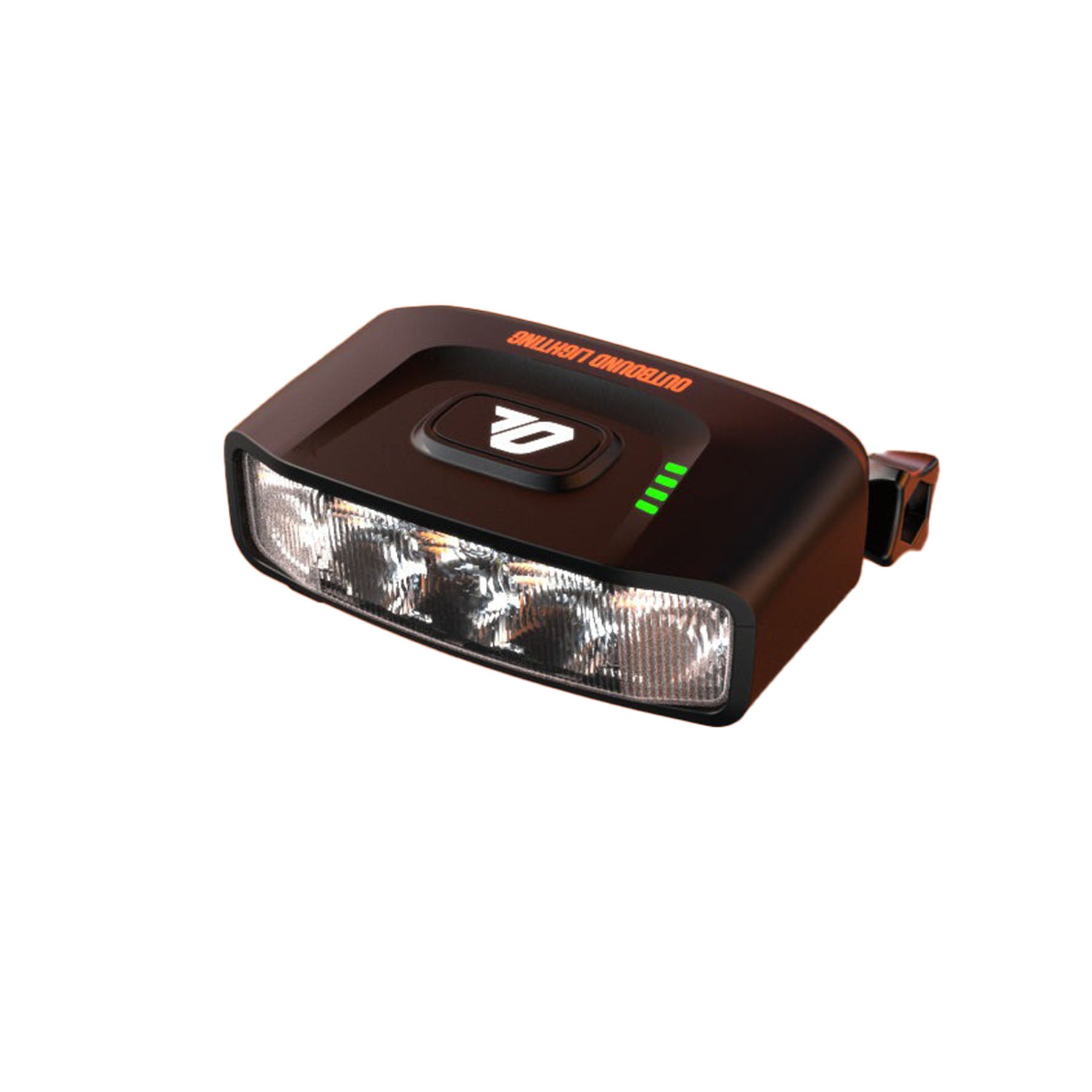
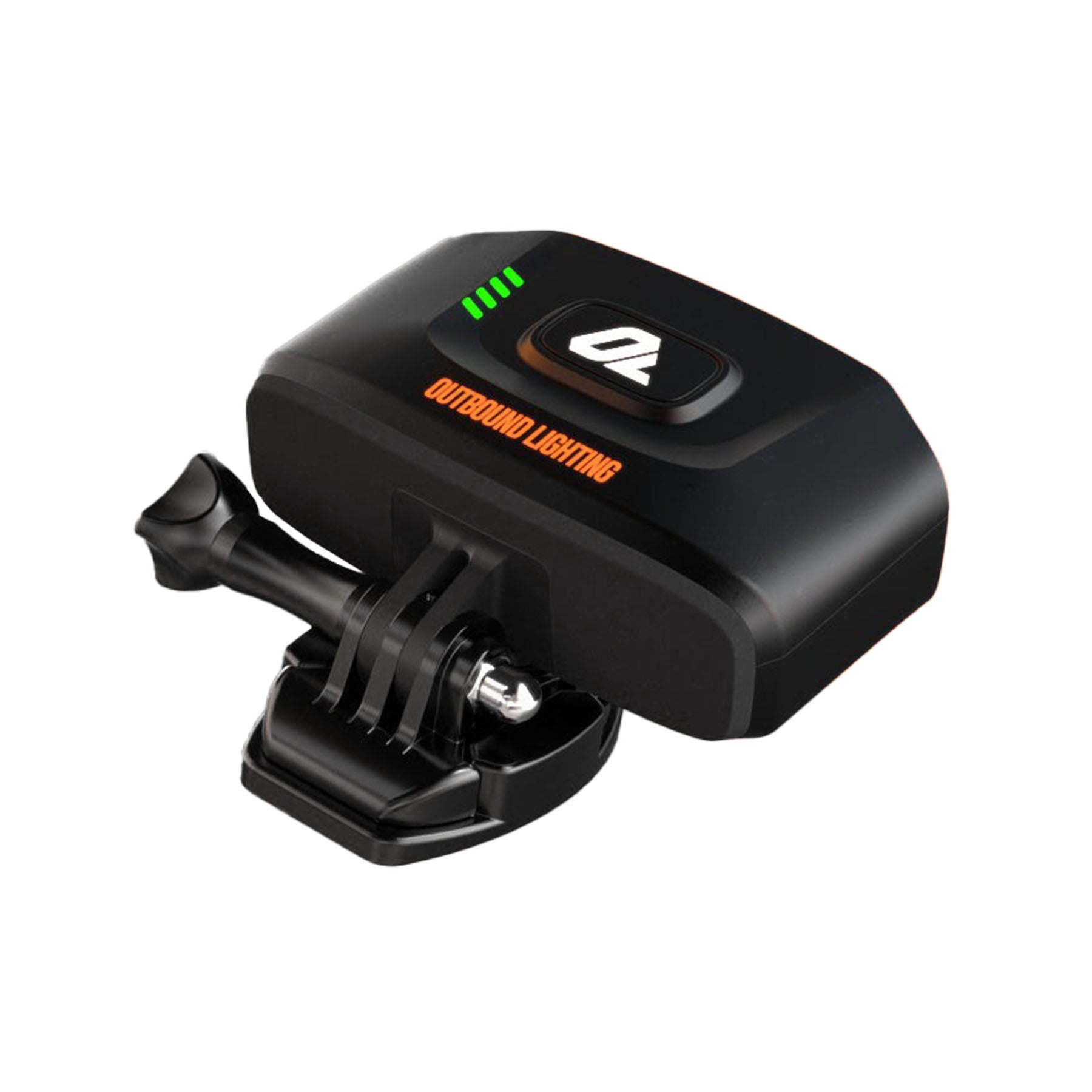
 The Portal is the more agile sibling of the Trail Evo. If the Trail Evo were a samurai, the Portal would be a ninja. The Portal is designed to be a lighter, self-contained helmet light that can still pack a punch. With a 5,000 mAh battery and a peak brightness of 1,600 lumens, the Portal’s specific beam pattern makes it the perfect complement to the Trail Evo.
Hangover:
 The Hangover is the younger brother of the Portal, boasting the same quality and durability but with a smaller battery and lower peak brightness. That being said, the Hangover takes after the Portal with its beam pattern and punches far above its weight. The Hangover is also designed with weight in mind, making it suitable for lighter road and gravel helmets.
Detour:
The Detour is designed to split the difference between gravel riding and commuting. Think of the Detour like a car’s low-beam headlights: the light illuminates the road while keeping the beam out of the eyes of oncoming traffic. The Detour is more than bright enough for an occasional night ride on the trail, but its beam pattern may make you consider to supplement it with a brighter Portal light on your head.
| Handlebar-Mounted Lights: | Helmet-Mounted Lights: | |
| Heavy Duty // MTB |
Trail Evo ($245) → rugged handlebar lights 10,000 mAh battery 2,200 lumens USB-C charging |
Portal Helmet ($185) → Heavy duty helmet light, 5,000 mAh, 1,600 lumens USB-C charging |
| Lighter Duty // MTB & Gravel |
Detour ($185) → handlebar light for road and gravel cycling 5,000 mAh 1,200 Lumens Car friendly |
Hangover ($135)→ Light duty helmet light, 3,500 mAh 900 lumens USB-C charging |
 For riders looking to stay up past their bedtimes riding all sorts of technical terrain, the Trail Evo + Portal Package is the best setup. Riders looking to prioritize a little weight saving while still maximizing performance out on the trail will find the Trail Evo + Hangover Package is plenty of light and a little lighter on the head. And don’t worry, gravel grinders—Outbound didn’t forget about you. Pick up the Detour and Hangover for when you’re out exploring those fire roads a little longer than expected.
“But other lights are brighter.”
Yes, there are other lights on the market that, on paper, are much brighter. I can’t argue with that. I also understand the desire to seek out the brightest lights possible. Why wouldn’t you? Brighter light means seeing more in front of you...right?
What separates Outbound from the competition isn’t outright brightness or intensity; it’s their relentless attention to detail that makes a tangible difference on trail. Taking the time to understand the importance of beam pattern and developing it specifically for riding mountain bikes in the dark helps solidify Outbound Lighting as the gold standard for night riding. Additionally, by relying more on beam pattern to enhance visibility, Outbound can use lighter batteries and achieve longer runtimes than wouldn't be possible with brighter, more power-intensive bulbs.

We also can't forget about their reliability, lifetime warranty, and overall durability—all the more reason I choose to ride with Outbound Lighting. In a world where I feel like I’m losing the fight against planned obsolescence, I have confidence that my Outbound lights will stand the test of time.
Even My Mom Likes it
Night riding rocks. Not only does it extend my season into the darker months, but it also allows me to rediscover trails I’ve ridden countless times before and experience them in a fun, new way. I appreciate how night riding shifts my perspective on mountain biking.
 Sometimes when I ride, I feel like I always need to be “fast”—speedy on the climbs, a rocket on the descents, and then boom, my ride is over. When I ride at night, I forget about going fast. I get to be out in the dark, hanging with friends, cruising along and am overwhelmed by the nostalgic feeling of falling in love with biking all over again. Chasing that feeling is why I choose to ride at night.
If you want even more details on Outbound Lighting and the tech behind their kick-ass riding lights, checkout our youTube video!